When something goes wrong at an event, every second matters.
Not in a vague, motivational sense, in a measurable, outcome-determining sense. The difference between a two-minute response and a five-minute response isn't just three minutes on a clock. It's the difference between a guest who gets help in time and one who doesn't.
Most event safety systems weren't designed with that urgency in mind. They were designed for a world before smartphones, before GPS, before every attendee was carrying a powerful connected device in their pocket. And they show their age every time something goes wrong and the response chain, flag a volunteer, radio dispatch, reach a responder, find the location, burns through the minutes your guests can't spare.
Instant alerts change that equation entirely. Here's how, and why response coordination is the other half of the equation that most events still get wrong.
 At scale, the time between an incident starting and help arriving is determined almost entirely by how fast information travels.
What "Instant" Actually Means in an Emergency
The word "instant" gets used loosely in tech marketing. In event safety, it has a precise meaning: zero relay points between the person who needs help and the team that can provide it.
Every relay point, a bystander flagging a volunteer, a volunteer calling dispatch, dispatch patching through to medical, introduces delay, distortion, and the possibility of failure. A message that starts as "a woman near Stage B is having difficulty breathing" can arrive as "something's happening near the food area" by the time it reaches the responder who needs to act on it.
Instant alerts, built into MyEventAlly, eliminate the relay entirely. When a guest sends an alert, it doesn't pass through a human chain. It arrives at every member of your safety team simultaneously, with the guest's GPS location, a text description, photos, and a 20-second voice recording. The responder who acts on it knows exactly what happened, exactly where, and exactly what to expect when they arrive.
That's not a marginal improvement on the old system. It's a fundamentally different system.
The Five Benefits of Instant Alerts at Events
1. Earlier Detection Means Earlier Response
Under a traditional setup, your safety team learns about a problem when a staff member notices it or a guest physically locates one. In a crowd of thousands, that can take minutes, minutes the guest is spending waiting, worsening, or escalating a situation that could have been contained.
When guests have a direct alert channel, incidents get reported the moment they happen, not after two minutes of searching for a staff member. Your team learns about problems sooner, which means response starts sooner. That compression at the front end of the timeline cascades through every stage that follows.
2. Responders Move with Purpose, Not Uncertainty
One of the most underappreciated time drains in live emergency response is orientation, figuring out where to go. A responder who receives a precise GPS pin moves directly to the guest. A responder who receives a vague verbal description searches. In a dense crowd or sprawling outdoor venue, that difference can easily be two to four minutes.
MyEventAlly's location data means your team takes their first step in the right direction. They don't arrive at a general area and scan. They walk directly to the person who sent the alert. Every second of searching eliminated is a second added to the response that matters.
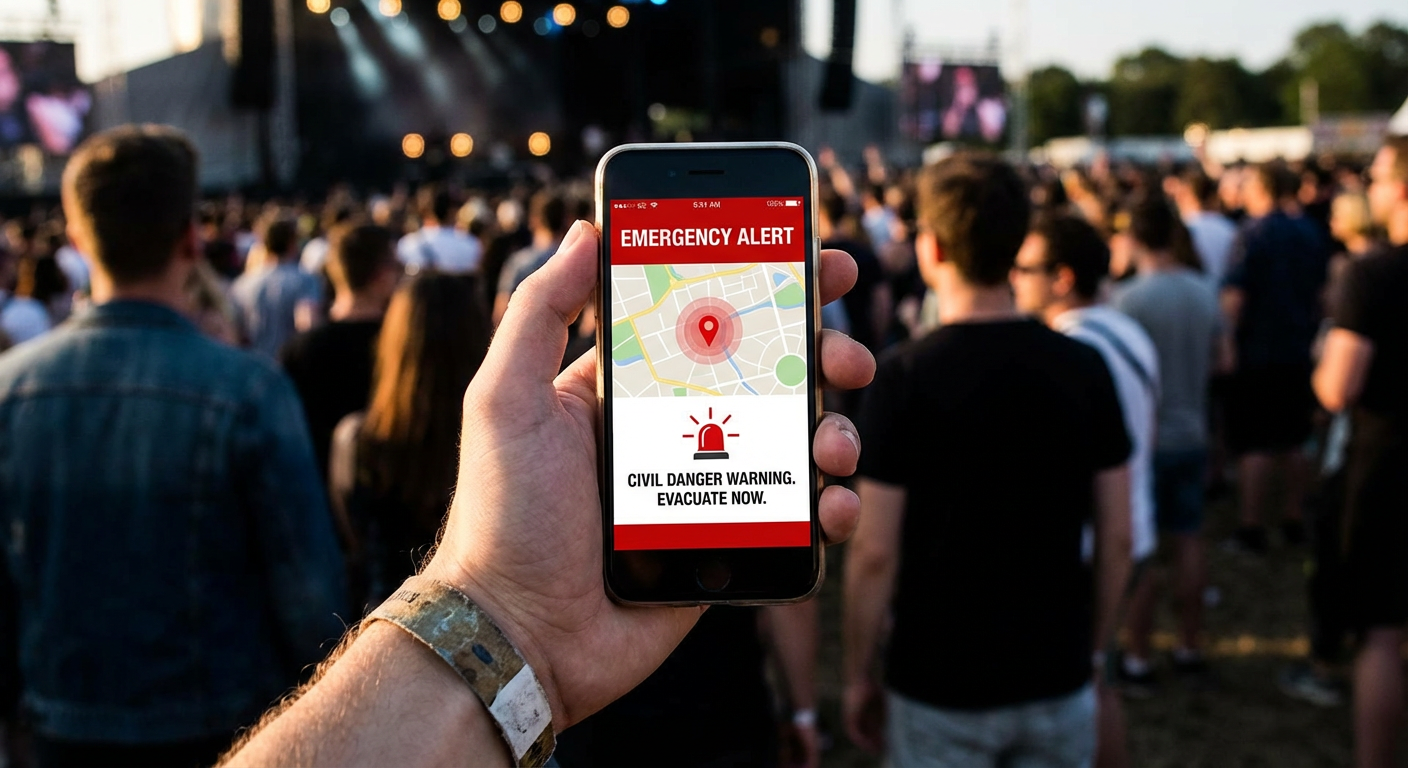 A precise location pin, delivered the moment an alert is sent, eliminates the orientation time that costs responders minutes at large venues.
3. Responders Arrive Prepared, Not Surprised
There's a significant difference between arriving at an incident cold and arriving with context. A responder who has read the alert on the way to the scene already knows whether they're likely dealing with a fall, a cardiac episode, heat exhaustion, or a confrontation. They know if the guest is alone or with friends. They've seen the photo. They've heard the voice clip.
That pre-arrival context changes how they prepare, what they bring, and whether they call for backup before they get there. It eliminates the assessment phase that normally happens on the ground, burning time and potentially delaying action, and replaces it with informed, immediate response from the moment they arrive.
4. No Incident Falls Through the Cracks
In any system that depends on radio channels, verbal relay, or staff observation, there are gaps. A radio channel busy with another call. A volunteer too far away to hear. A staff member whose attention is elsewhere for thirty critical seconds.
Digital alerts don't have gaps. Every alert sent through MyEventAlly is received by every member of your safety team simultaneously and logged automatically. Nothing competes for bandwidth. Nothing gets missed because the channel was busy. And because every alert is timestamped and stored, you have a complete record of every incident and every response, data your team can actually learn from between events.
5. Guests Report Problems They'd Never Report Otherwise
This is the benefit most event organizers don't anticipate until they see it in practice.
Many guests don't report safety concerns because the reporting process feels like too much, finding a staff member, explaining the situation, hoping something actually happens. The friction of the process is enough to convince them that it's not worth the effort, especially for situations that feel uncertain or minor.
When reporting takes ten seconds on a phone they already have in their hand, that calculus changes. Guests report concerns earlier, when situations are still manageable. They flag the person who looks unwell before they collapse. They report the confrontation that's escalating before it becomes a fight. Your team gets earlier signals on more situations, which means fewer incidents reach the level where the outcome is determined by how fast help can arrive.
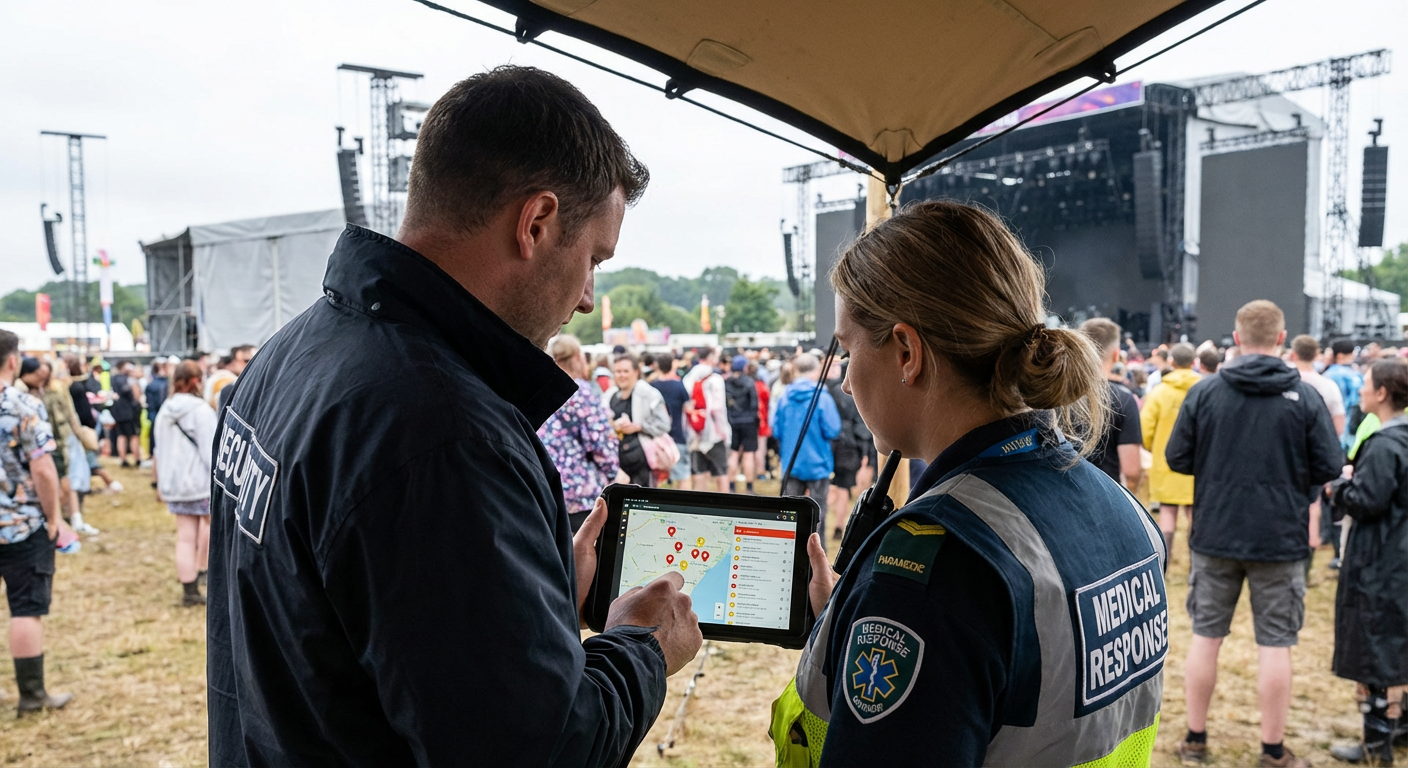 When security and medical receive the same alert simultaneously, coordination starts from the first second, not after a chain of handoffs.
Why Response Coordination Is the Other Half
Instant alerts get the right information to your team fast. But information alone doesn't produce a coordinated response. That requires the second piece: a system that ensures security and medical aren't operating in separate silos when an alert comes in.
At most events, these two teams communicate through intermediaries. Security gets the alert, assesses the situation, decides whether medical is needed, radios dispatch, dispatch contacts medical. By the time medical has the same information security had at the start, a minute or more has passed, and the coordination that should have happened immediately is still being negotiated.
MyEventAlly sends every alert to both teams at the same moment. Security sees the same location pin medical sees. Medical sees the same photo security sees. Neither team is waiting for a handoff that the other team is supposed to initiate. They can coordinate from the first second, deciding in real time who takes point, who provides backup, and whether additional resources are needed.
That simultaneity is what makes coordinated response actually work. Not a better radio protocol. Not more staff. Just the same information, at the same time, to everyone who needs it.
What Faster, Better-Coordinated Response Looks Like in Practice
Picture a corporate outdoor festival. 3,000 attendees. A mix of food vendors, entertainment stages, and open lawn areas. Your safety team consists of eight security staff and two EMTs.
Under a traditional setup: a guest near the east lawn experiences a medical episode. A nearby attendee finds a security guard two minutes later. The guard radios dispatch. Dispatch reaches one of the EMTs, who is near the main entrance, on the opposite side of the grounds. The EMT starts moving but has no location beyond "east lawn." Four minutes after the incident started, they're still searching.
With MyEventAlly: the guest's companion sends an alert from their phone. Both EMTs and all security leads receive the alert simultaneously, GPS pin, photo, brief description. The nearest EMT is moving within fifteen seconds. They arrive in under two minutes, already knowing what to expect. The second EMT holds position unless called. Security maintains their coverage pattern.
Same event. Same staff. Radically different timeline, because the information traveled faster and reached the right people all at once.
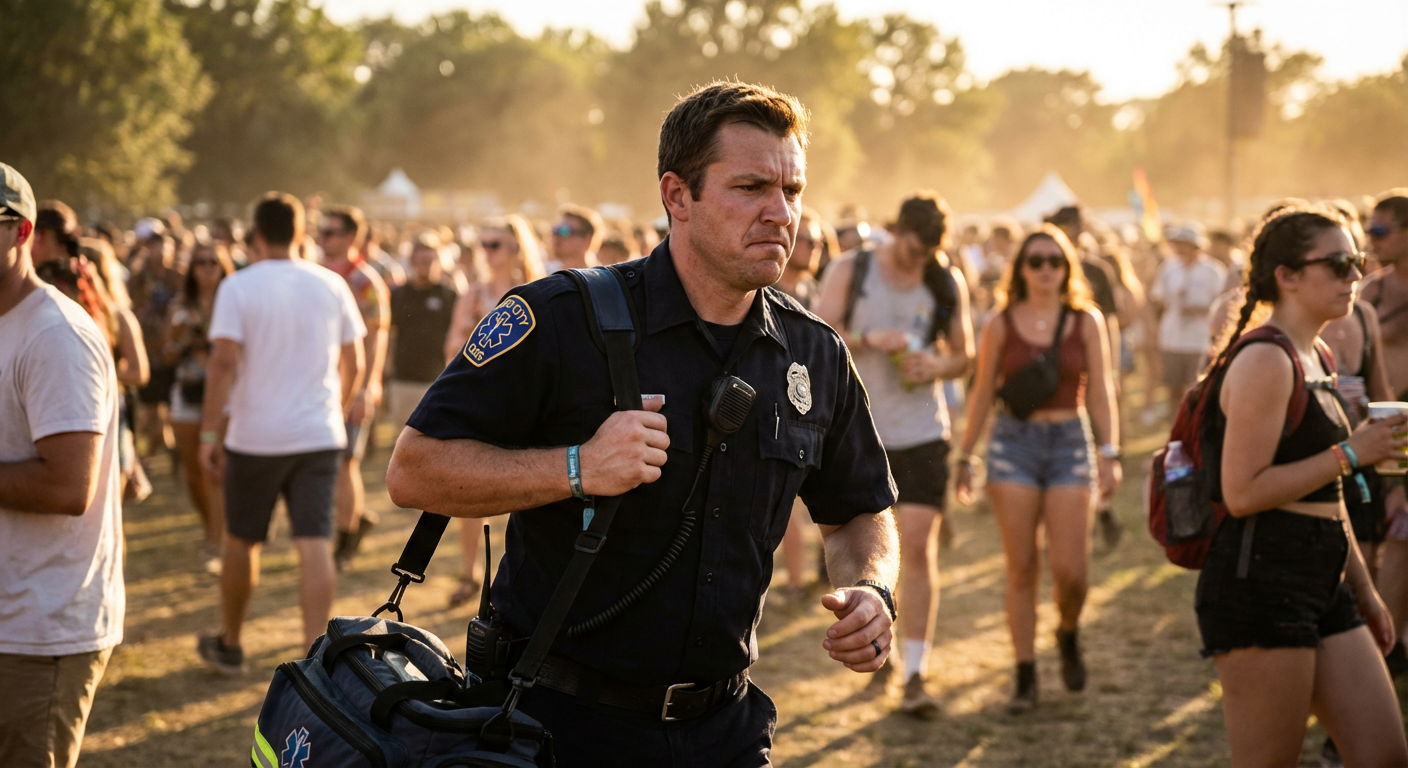 When responders know exactly where to go and what to expect, they move with precision, not guesswork.
Building Instant Alerts Into Your Event Safety Plan
Adopting instant alerts isn't about replacing every part of your existing safety operation. It's about adding a layer that closes the specific gaps your current system can't address, guest-to-team communication, location precision, and simultaneous coordination.
Here's how to integrate it effectively:
- Designate MyEventAlly as your primary incident queue. Every security lead and medical responder should be trained to treat app alerts as the official source of incoming incidents, not a supplement to the radio, the primary channel through which incidents flow.
- Drive app adoption before doors open. Include the download prompt on digital tickets, in confirmation emails, and at entry points. Guests who have the app installed before they arrive are ready the moment something happens.
- Run a coordination drill with security and medical together. Send a test alert and walk both teams through the response flow simultaneously. Five minutes before an event is worth more than any post-event conversation about what should have happened.
- Promote party mode to your audience. Location sharing between guest groups drives app adoption organically, and an app guests are already using for convenience is one they'll reach for without hesitation in an emergency.
- Review alert data after every event. Response times, incident locations, alert volume by hour, this data tells you exactly where your system is performing and where it isn't, giving you a factual basis for improving every event that follows.
The Bottom Line
Instant alerts and coordinated response aren't features. They're outcomes. When a guest in need can reach your entire safety team in seconds, with their location, a description, and supporting media, and when that team responds as a coordinated unit rather than a series of sequential handoffs, outcomes for real people in real situations get measurably better.
MyEventAlly was built to make that possible at any event, at any scale, for free for every attendee. We're preparing to go live, and we're looking for event coordinators, venue managers, and festival organizers who want to be the first to put it to work.
If you want to be part of building a smarter, faster safety system from the ground up, we'd love to have you involved.
MyEventAlly is developed by Stratagem 98 LLC, an Indianapolis-based event app company. The platform is available at no cost to attendees at participating events. See MyEventAlly use cases →