The incident started small.
A guest at a packed outdoor fair felt faint near the livestock pavilion. Her friend spotted a security guard across the walkway and ran toward him. The guard radioed dispatch. Dispatch tried to reach the medical team - but the channel was already busy with a noise complaint near the main stage. Thirty seconds passed. A minute. The guard left his post to find the medical tent himself.
By the time help arrived, the guest was on the ground.
Nobody failed on purpose. Nobody ignored the situation. The system failed - specifically, the communication system that was supposed to connect a person in need with the people who could help.
This is not a rare story. It plays out at events of every size, every type, every budget. And almost every time, the root cause is the same: communication that wasn't fast enough, clear enough, or connected enough to change the outcome.
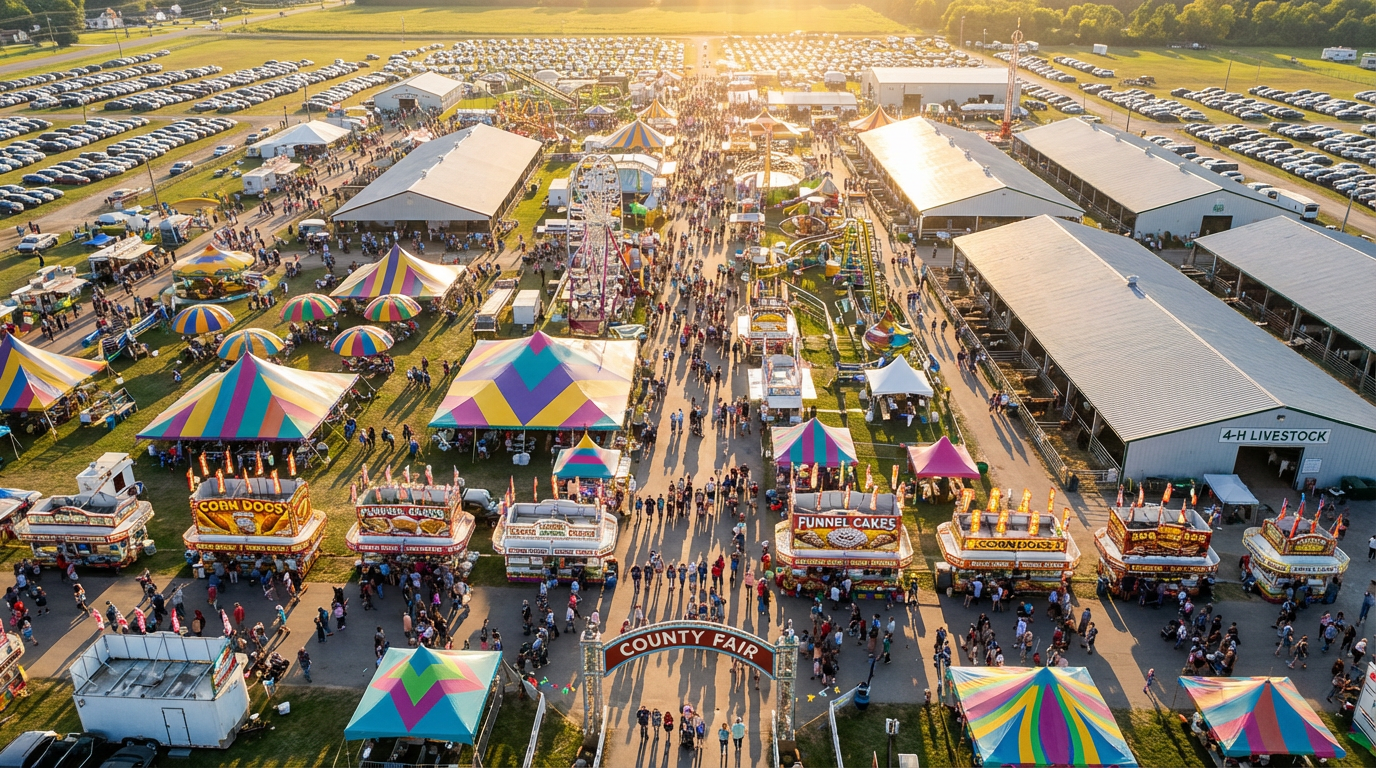 At scale, even well-staffed events can't outrun a broken communication system.
The Three Communication Gaps Killing Event Safety
1. Radios Only Work If the Right Person Is Listening
Walkie-talkies and radio systems have been the backbone of event safety for decades. They work - until they don't.
A single shared channel means every transmission competes with every other transmission. A medical emergency gets queued behind a vendor dispute. A security alert gets missed because the right responder's radio is clipped to their belt in a loud crowd. Information degrades as it moves from person to person - details get dropped, locations get approximate, urgency gets lost in translation.
Multi-channel systems help, but they require coordination that breaks down under pressure. When three things happen at once, the radio becomes a liability, not an asset.
2. Calling 911 at a Large Event Is a Worst-Case Scenario
911 is designed for individual emergencies in known locations. A large event is neither.
When a guest calls 911 from inside a 15,000-person festival, the dispatcher has no venue map, no visibility into your on-site resources, and no way to know that your medical team is already 200 feet away. Meanwhile, your own safety staff has no idea a call was made. You end up with duplicate responses, confused handoffs, and a guest in the middle who has no idea who is actually coming or when.
911 should be a last resort at events, not a first instinct. That only works if guests have a faster, more direct option - and most events don't give them one.
3. Staff-Only Communication Leaves Guests Completely Blind
The deepest structural flaw in most event safety systems is this: guests have no direct channel to the people responsible for their safety.
They can search for a staff member in a crowd. They can wave their arms. They can hope someone notices. But there is no mechanism for a guest to communicate directly with your security or medical team - to say I need help, I am here, this is what is happening - and have that information arrive instantly, accurately, and with full context.
That gap means your safety team is always reacting to secondhand information, delayed reports, and vague descriptions. By the time a clear picture forms, time has already been lost.
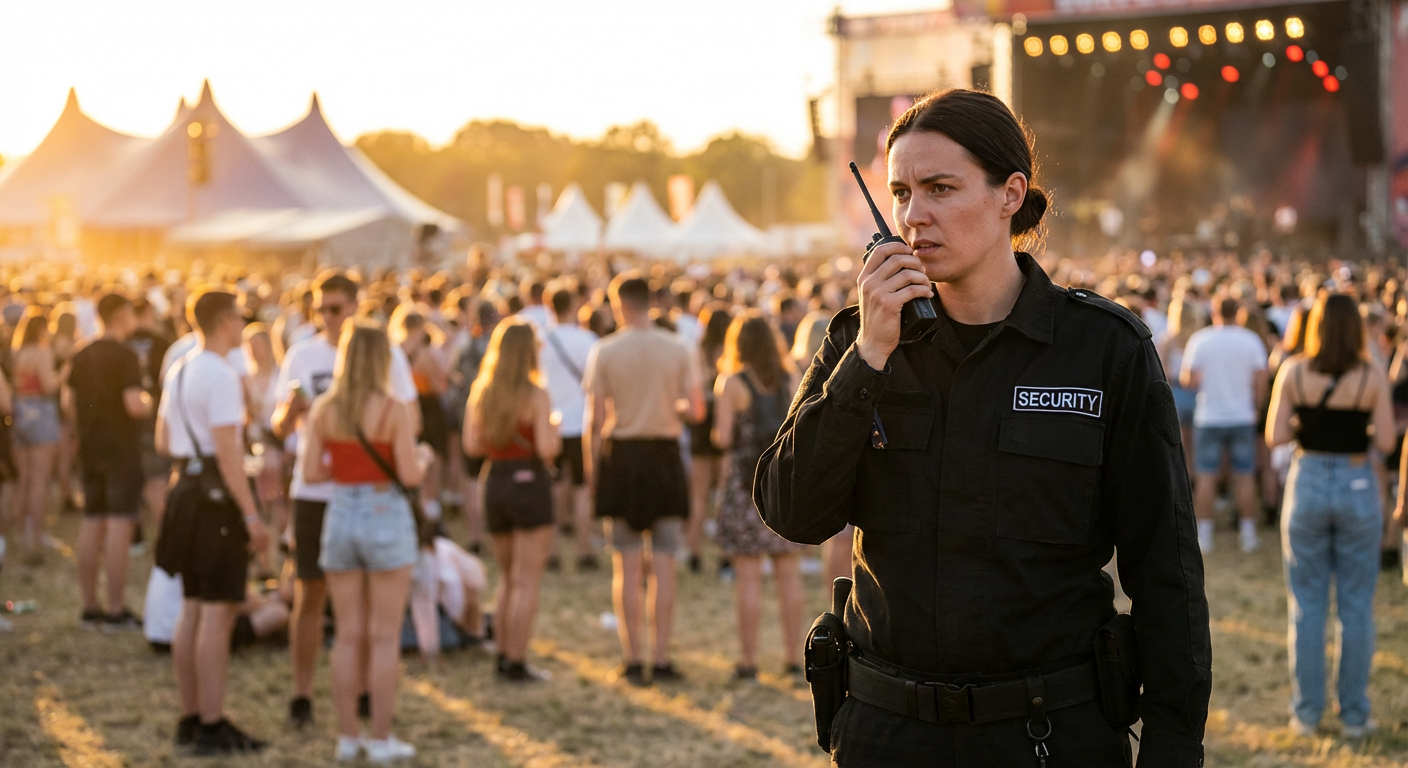 Radios still have a role, but they were never designed to carry the full weight of modern event safety communication.
What Real-Time Communication Actually Requires
Fixing event communication isn't about adding more radios or hiring more staff. It requires rethinking the communication layer entirely - building a system where information travels from the point of need to the point of response without friction, delay, or degradation.
That means three things:
Directness. The person who needs help should be able to reach your safety team without an intermediary. Every relay point is a place where information gets lost or delayed.
Context. A location, a description, a photo, a voice clip. Responders need to know what they're walking into before they arrive - not after. Text alone isn't enough.
Simultaneity. Security and medical should receive the same information at the same moment. Not sequentially. Not after a handoff. At the same time, so they can coordinate from the first second rather than the third or fourth.
MyEventAlly was built to deliver all three. When a guest sends an alert, it reaches your entire safety team instantly - with their GPS location, in-app text, photos, and a 20-second voice recording. No relay. No radio channel competition. No 911 hold. Direct, rich, simultaneous.
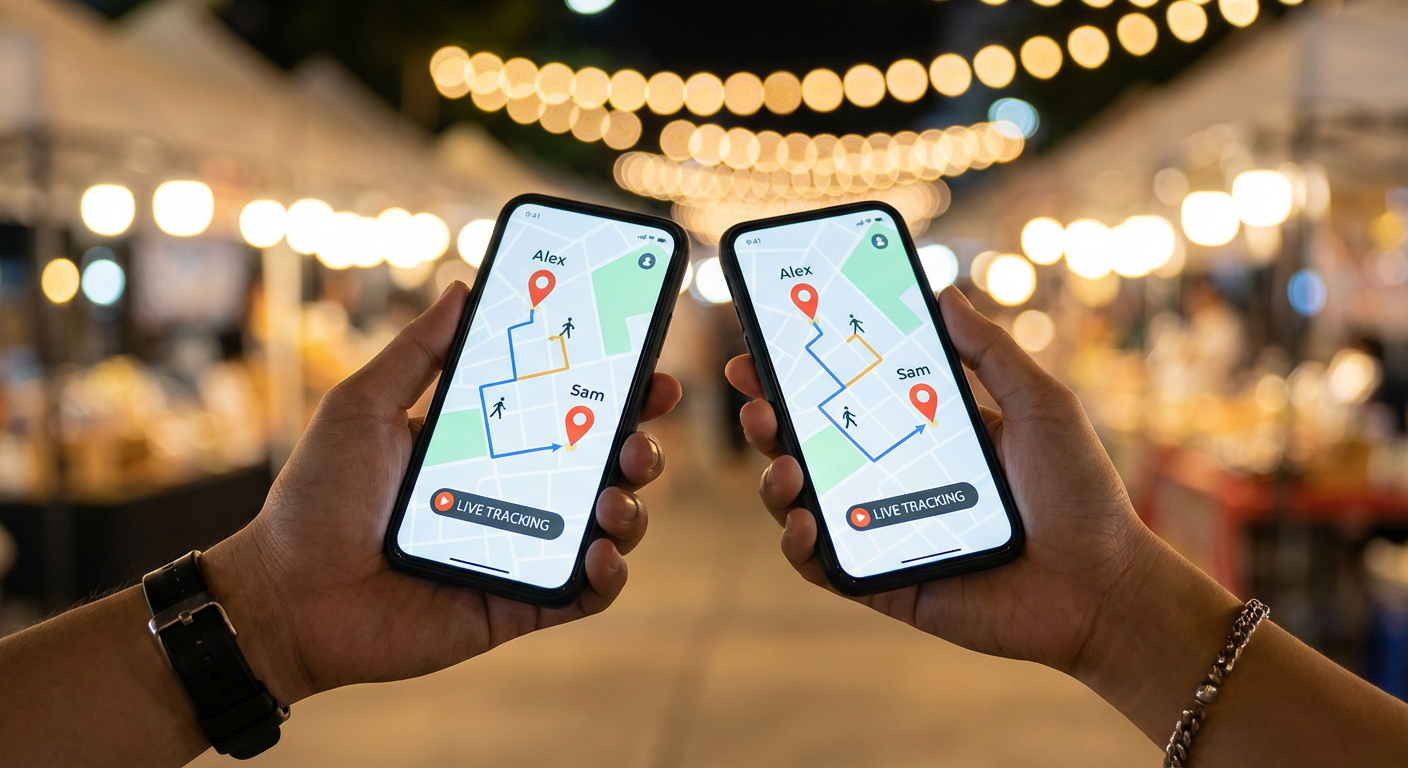 MyEventAlly delivers location, context, and media to your entire safety team the moment a guest sends an alert.
How Real-Time Communication Changes Outcomes
The difference isn't theoretical. It shows up in every stage of an emergency.
Detection is faster. Guests who have a direct channel to your safety team report incidents the moment they happen - not after they've spent two minutes looking for a staff member. Your team learns about problems sooner, which means response starts sooner.
Response is more precise. When a responder knows exactly where to go before they take their first step, they don't search. They move. That difference - oriented response versus searching response - can cut minutes off arrival time in a large venue.
Triage happens in transit. A responder reviewing an alert on the way to an incident already knows whether to expect a fall, a medical episode, or a confrontation. They arrive with the right resources and the right mindset, not a blank slate.
Coordination is immediate. When security and medical receive the same alert at the same moment, they can coordinate without waiting for a handoff. Both teams know what the other knows, in real time.
Nothing gets lost. Every alert is logged. Every response is timestamped. After the event, you have a complete record of what happened, when, and how your team responded - data that makes every future event safer.
Building Real-Time Communication Into Your Event
If you're ready to close the communication gap at your events, here's where to start:
- Replace the radio as your primary alert channel. Radios still have a role, but they should not be the system guests rely on to reach your team. MyEventAlly gives every attendee a direct line to security and medical - one that doesn't compete with every other transmission on a shared channel.
- Train your team to act on app alerts first. Designate MyEventAlly as the official queue for incoming incidents. When staff know where to look, response time drops and nothing slips through.
- Get the app into guests' hands before the event starts. Include the download prompt on tickets, in confirmation emails, and at entry points. An app guests already have is one they'll actually use when something goes wrong.
- Run a live drill before doors open. Send a test alert, have your team respond, and walk through the full information flow. Ten minutes before an event is worth more than any post-event debrief.
- Review your alert data after every event. Response time, incident location, alert volume by hour - that data tells you exactly where your communication system is working and where it isn't.
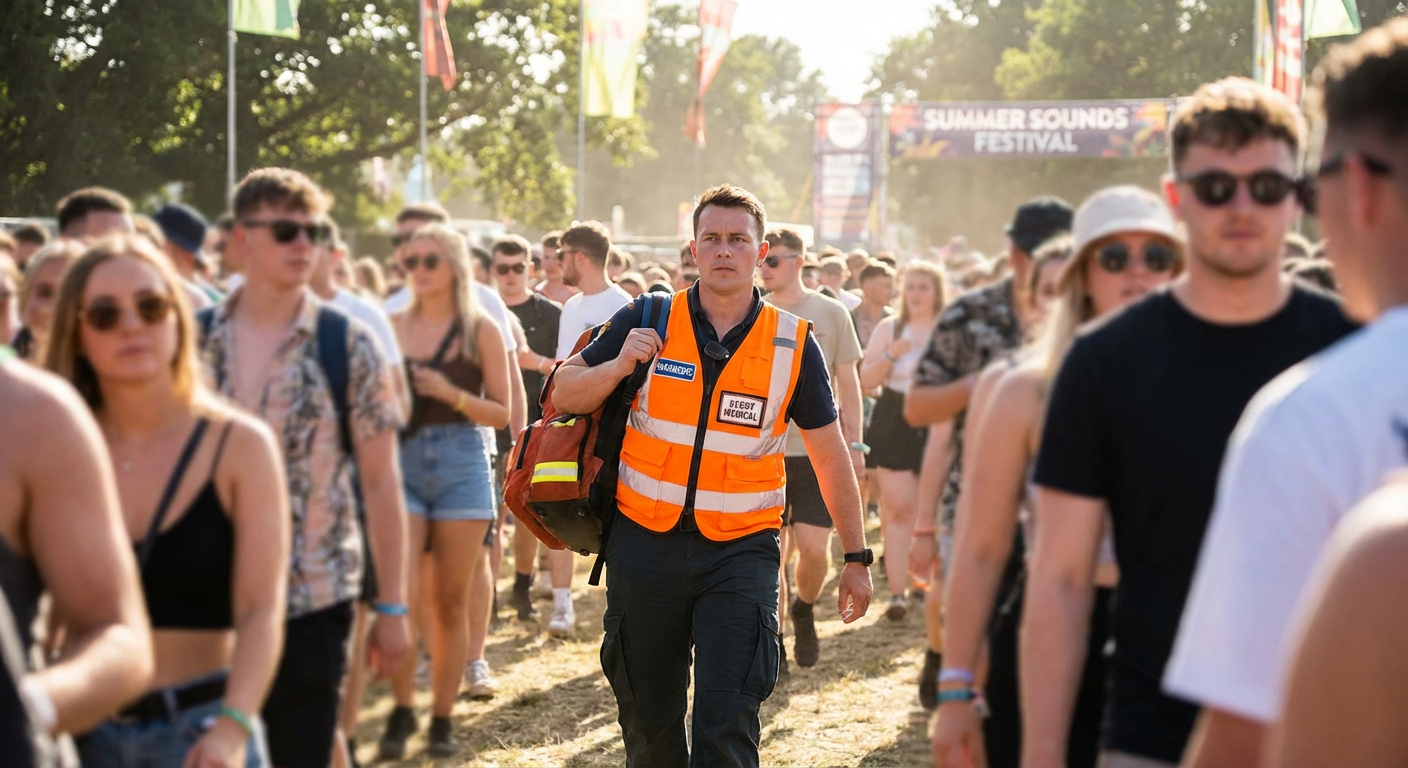 Faster communication means responders move with purpose from the first second, not after a chain of radio calls.
The Bottom Line
Communication is the variable most event organizers underestimate - and the one that most determines how emergencies end. Faster, clearer, more connected communication doesn't just improve response times. It changes outcomes for real people in real situations.
MyEventAlly exists to close the gap between the moment something happens and the moment help arrives. It's free for every attendee at every participating event, and it's ready to be the communication backbone your safety plan has been missing.
We're looking for venue managers, festival organizers, and event coordinators who want to be among the first to put MyEventAlly to work before it officially goes live. If that's you, we'd love to have you involved from the start.
MyEventAlly is developed by Stratagem 98 LLC, an Indianapolis-based event app company. The platform is available at no cost to attendees at participating events. See MyEventAlly use cases →